
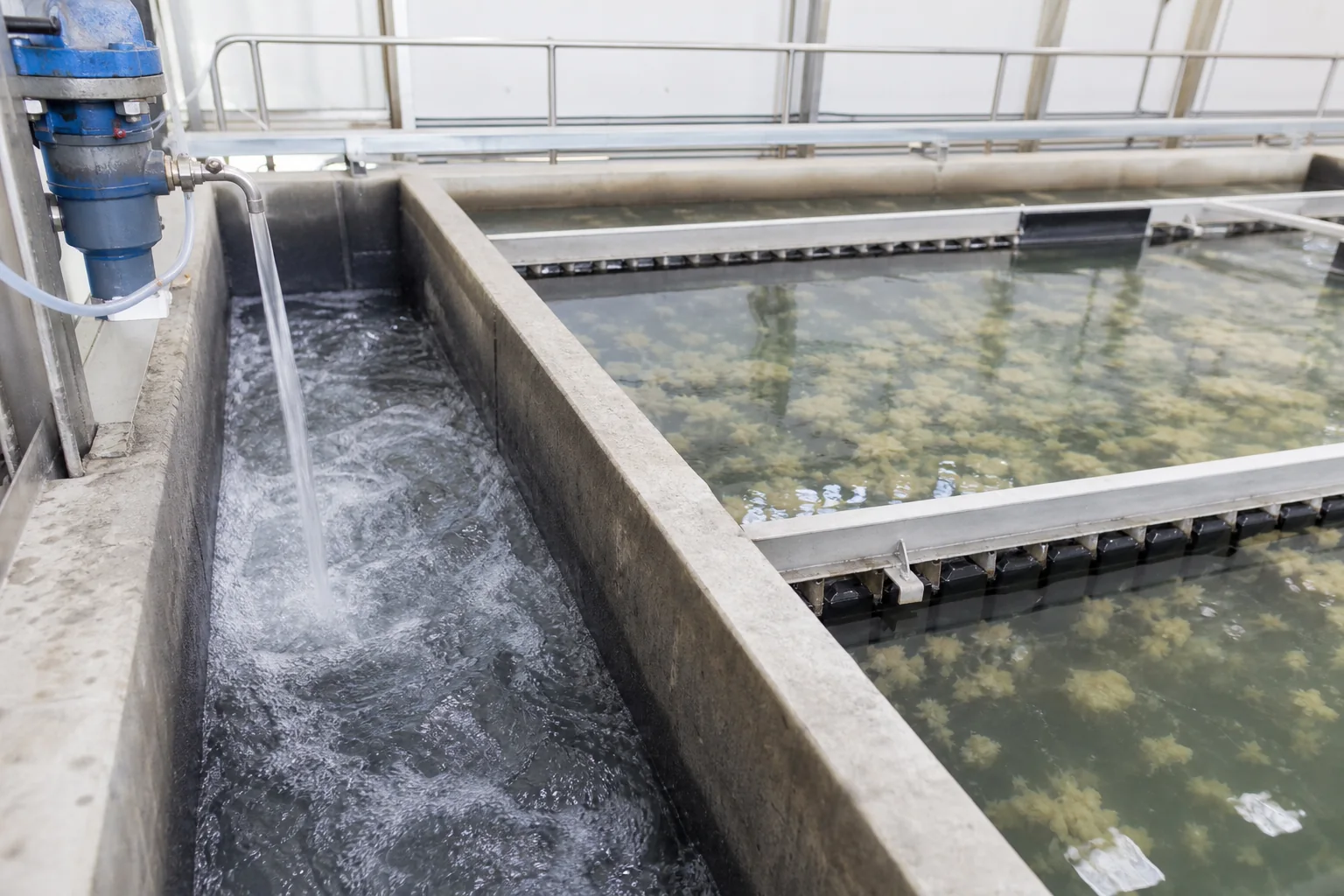
Name flotation as the target
A DAF polymer enquiry should say that the floc must separate by flotation, not simply settle. Give the water source, target solids and downstream reuse or treatment requirement. A settling jar can screen chemistry without fully answering the flotation duty.
The industrial recycle-water route should capture the intended output. Keep sludge dewatering or primary coagulation proposals separate when the purchase concerns a flotation aid.
Include the existing chemical and air program
Record coagulant identity, final pH, polymer preparation, injection and relevant DAF operating conditions under the process team's method. Air-contact and hydraulic changes can alter the result independently of the polymer.
Preserve the current program as a reference. A candidate tested with a different coagulant or a more favourable air condition should not be credited automatically with the full improvement.
Select a purposeful grade panel
Ask why each proposed ionic and molecular profile fits the water. Use coded samples with declared active basis and feasible preparation. Do not buy solely on the charge label or a general claim that a product is suitable for DAF.
Include the water's normal and difficult conditions and record sample handling. A conveniently decanted sample may omit the solids or oil condition that governs the actual process.
Reproduce floc formation and flotation
Use an appropriate flotation comparison with controlled preparation, sequence, contact and observation time. Record float formation, stability, drainage, carryover and the required water measurements.
The test-design guide supplies the controls; the DAF-specific method must add the separation mechanism. A large floc or clear settling supernatant cannot substitute for the actual flotation evidence.
Measure downstream and solids consequences
Inspect how the floated material is removed and handled, alongside effluent quality. Include relevant filter or reuse effects selected by the responsible team. A thick-looking float layer can still be difficult to skim or dewater.
Keep analytical targets distinct from visual appearance. If the duty involves oil or another contaminant, use its agreed analytical method rather than infer removal from a photograph.
Define a controlled plant trial
Verify actual feed calibration and stable comparison intervals. Record water, flow, coagulant, air and operating changes together. The operator must authorize the procedure and stop conditions.
Separate an inconclusive comparison from a failed polymer. If the DAF baseline changes materially during the run, retain that limitation rather than use a selective interval as proof of a permanent cost saving.
Purchase the qualified treatment route
Link grade, preparation, accepted water envelope and flotation results to price, pack and receiving requirements. Include demonstrated consumption and relevant float-handling cost in the offer comparison.
Use the DAF flocculant enquiry with process details and trial quantities. Request an identifiable candidate and a bounded evaluation, not a universal flotation dosage or guaranteed removal statement.
Preserve the flotation comparison
Record the received water condition, coagulant and polymer identities, preparation, air-contact method and observation time with the accepted water and float measurements. Keep photographs as supporting records instead of substitutes for the analytical endpoint.
Use the same scope when incoming material or a second source is evaluated. If the plant changes air operation, coagulant sequence or upstream production, identify that process difference before attributing changed float appearance to the polymer lot. The supply qualification should name what the test actually demonstrated.